Releases
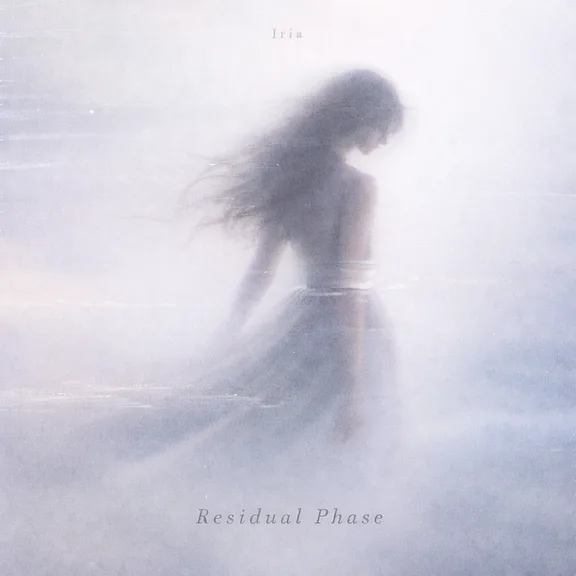
Residual Phase Album
Iria
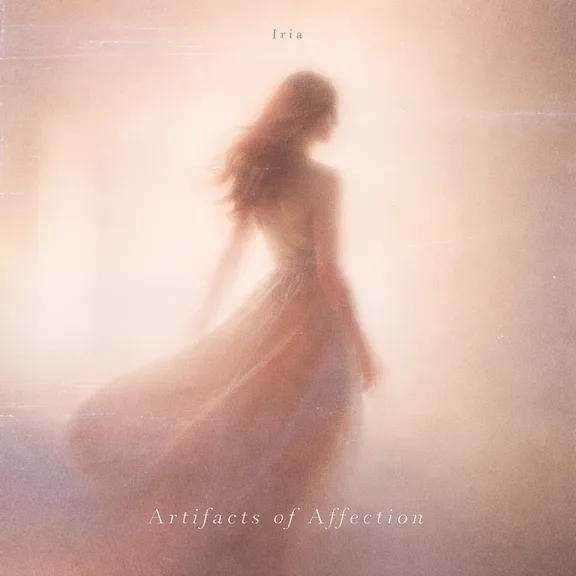
Artifacts of Affection Album
Iria
Biography
Iria makes piano-led electronic music for the moment a memory stops behaving like the past. Her records are built from prepared and untreated piano, softened bass, broken pulses, breath, room tone and small digital failures: a clipped tail, a skipped frame, a loop that returns a fraction too late. Nothing is damaged for decoration. The seam is where the feeling lives.
Born in A Coruña and based in London, Iria learned piano partly through a wall, listening to her mother teach beginners in the next room. She often knew a piece by its hesitations before she knew it by name. Years later, while working in sound restoration, she found her own musical language in the things her day job was designed to remove. Pedal noise stayed. Buffers slipped. The room was allowed onto the recording. A clean note became less interesting than the trace it left behind.
Her first two albums, Artifacts of Affection and Residual Phase, were made as sister works and released together. The first is the warm exposure: touch, promise, afterimage, the objects and gestures affection leaves in a room. The second is the same image after the temperature drops, when what should have disappeared remains faintly active. Eight tracks of attachment; eleven of persistence. They are not a beginning and an aftermath so much as two ways of looking at the same absence.
The music can be called ambient pop, glitch electronica or modern classical, but Iria is less interested in crossing genres than in changing the scale of attention. Her piano playing is restrained and physical. Her electronics do not announce the future; they behave like memory — compressing, repeating, losing detail, keeping the wrong part perfectly intact.
On stage, she uses a piano, a small amount of electronics and the silence already in the room. She does not explain the songs. She lets the final decay finish.
“A clean recording tells you what happened. I’m interested in what stayed.”